Why Attic Mold Remediation Needs a Professional Approach
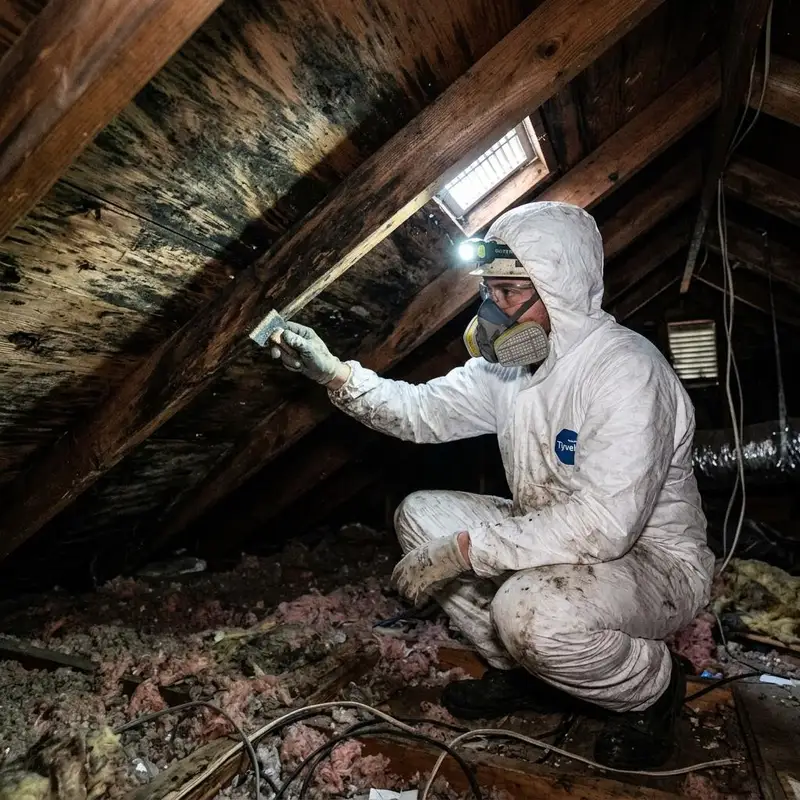
If you have ever poked your head into a dark attic on a humid Fort Worth summer day, you know the air up there feels thick and heavy. That trapped moisture, combined with wood sheathing, old attic insulation, and poor airflow, makes attics one of the most common places for mold to take hold. I have seen it happen in houses that looked perfectly fine from the curb. The homeowner noticed a musty smell during a thunderstorm, opened the attic hatch, and found a colony of black mold spreading across the rafters.
Mold in an attic is not just an eyesore. It can degrade structural framing, ruin stored belongings, and send spores into the living spaces below through gaps around light fixtures and ductwork. That is why attic mold remediation is not a weekend project you can knock out with a spray bottle and some rags. It requires careful planning, the right equipment, and an understanding of how moisture actually gets up there in the first place.
What Causes Mold in an Attic?
Moisture is the root cause, but the source is not always a dramatic roof leak. In many Fort Worth homes, the problem starts with warm, humid air from the living space rising into the attic through unsealed penetrations, then condensing on cold roof decking in the winter. Other times, a clogged soffit vent or missing ridge vent keeps the attic from breathing, trapping humidity against the insulation. I have also seen cases where a bathroom fan or kitchen range hood was vented directly into the attic instead of outside, pumping gallons of moisture into the space every week. A roof leak certainly makes things worse, but condensation and poor ventilation are just as common.
Why DIY Mold Removal Often Fails
A lot of homeowners reach for bleach when they see mold. It is a familiar cleaner, and it kills surface mold on nonporous surfaces. But attic framing is porous wood, and bleach does not penetrate porous material well. The water in the bleach solution can actually drive moisture deeper into the wood, feeding the mold roots that remain. That is why professionals almost never use bleach for attic mold remediation. Instead, they rely on products like Concrobium or Mold Armor, which are designed to kill mold on contact and leave a residue that resists regrowth. KILZ makes a good mold-sealing primer too, but that comes after the remediation, not during.
Another common mistake is scrubbing mold without containment. Disturbing mold colonies releases clouds of spores into the air. Without a containment barrier and negative air pressure, those spores settle onto every surface in the attic and eventually drift into the rest of the house. I have walked into attics where someone tried to clean mold with a dry broom, and the spore count was through the roof. That approach makes the problem worse, not better.
What Professional Attic Mold Remediation Looks Like
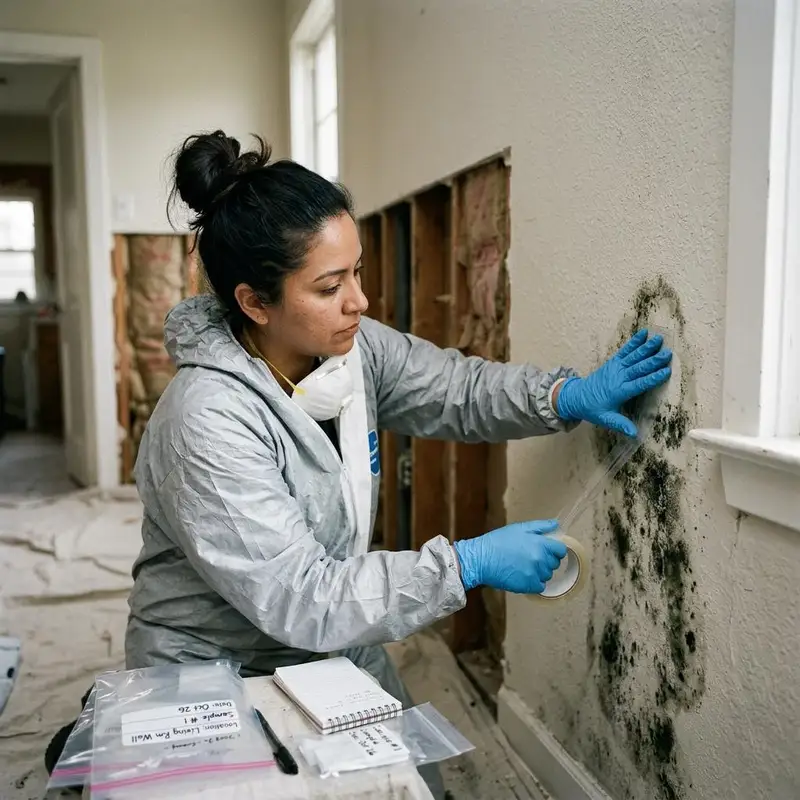
Proper attic mold remediation starts with a thorough inspection. The technician will look for the moisture source, measure humidity levels, and check the condition of the attic insulation. Mold testing kit samples are often taken to identify the species and spore load, which helps determine the level of containment needed. If the attic is heavily contaminated, the team will set up a containment barrier around the hatch and run an air scrubber with a HEPA vacuum exhaust to maintain negative air pressure inside the work area. This keeps spores from escaping while the work is underway.
Every worker will wear an N90 respirator, disposable coveralls, and gloves. The contaminated attic insulation is usually removed and bagged for disposal. Then the framing is cleaned with a moldicide like Concrobium, scrubbed with stiff brushes, and HEPA vacuumed to capture loosened spores. Depending on the severity, the wood may be sanded or abraded to remove surface mold that has penetrated the grain. After cleaning, a mold-inhibiting primer like KILZ is applied, and new insulation is installed. The final step is addressing the moisture source, which might involve repairing a roof leak, installing or unclogging soffit vents, adding a ridge vent, or sealing air leaks from the living space below.
Equipment and Safety Standards
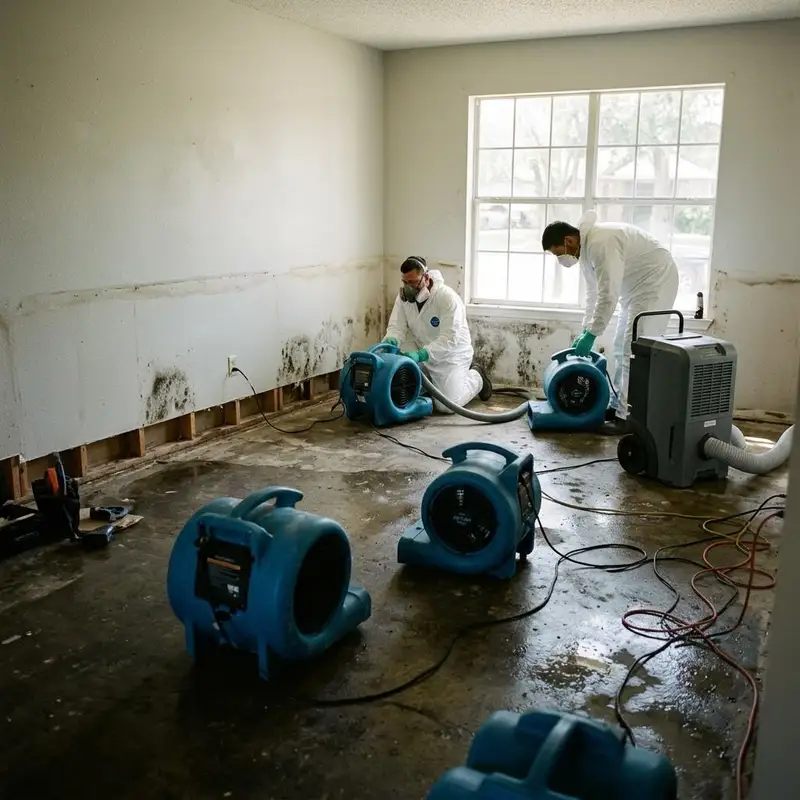
This is not a job for a shop vac and a dust mask. Professional crews use HEPA vacuums that trap particles down to 0.3 microns, air scrubbers that cycle the air through multiple filters, and negative air pressure machines that keep the work area isolated. They follow guidelines from the EPA and OSHA on mold remediation and worker protection. In Texas, the Texas Department of State Health Services offers guidance on mold assessment and remediation, though certification is not mandated by the state. Credentialed firms often follow the IICRC standard for mold remediation, which is a voluntary but rigorous benchmark. A company that follows IICRC protocols is usually a safe bet.
Preventing Mold from Returning
Once remediation is done, prevention is the name of the game. A dehumidifier placed in the attic can help during humid months, but it only works if the attic is reasonably sealed from outside air. The better long-term fix is improving ventilation. Soffit vents combined with a ridge vent create natural convection, pulling cool air in low and exhausting hot, moist air out high. That airflow keeps the attic dry and the insulation effective. Sealing ceiling penetrations around pipes, wires, and ductwork also stops warm indoor air from reaching the cold roof deck and condensing.
I have also seen people install a small fan or air scrubber on a timer to cycle air in the attic during peak humidity hours. It is not a substitute for proper venting, but it can help in tight spaces. Regular inspections twice a year, once in spring and once in fall, catch small problems before they become full-blown infestations. If you spot any new moisture stains or a musty odor, it is worth calling a professional for a look before the mold gets established.
When to Call a Professional
If the mold covers more than a few square feet, if it is growing on attic insulation or drywall, or if anyone in the household has asthma, allergies, or a compromised immune system, do not attempt attic mold remediation yourself. The risks of spreading spores and missing hidden growth are too high. A qualified remediator will have the equipment, training, and experience to do the job safely and permanently. They will also help you figure out why the mold happened in the first place, which is the only way to keep it from coming back.
Mold loves attics because attics are dark, warm, and often forgotten. But with the right approach, you can reclaim that space and protect the rest of your home. Attic mold remediation is not cheap, but it is far less expensive than replacing a roof structure or dealing with chronic respiratory problems. If you live in Fort Worth, where the humidity can push 90 percent in summer, ignoring that attic hatch is not an option.